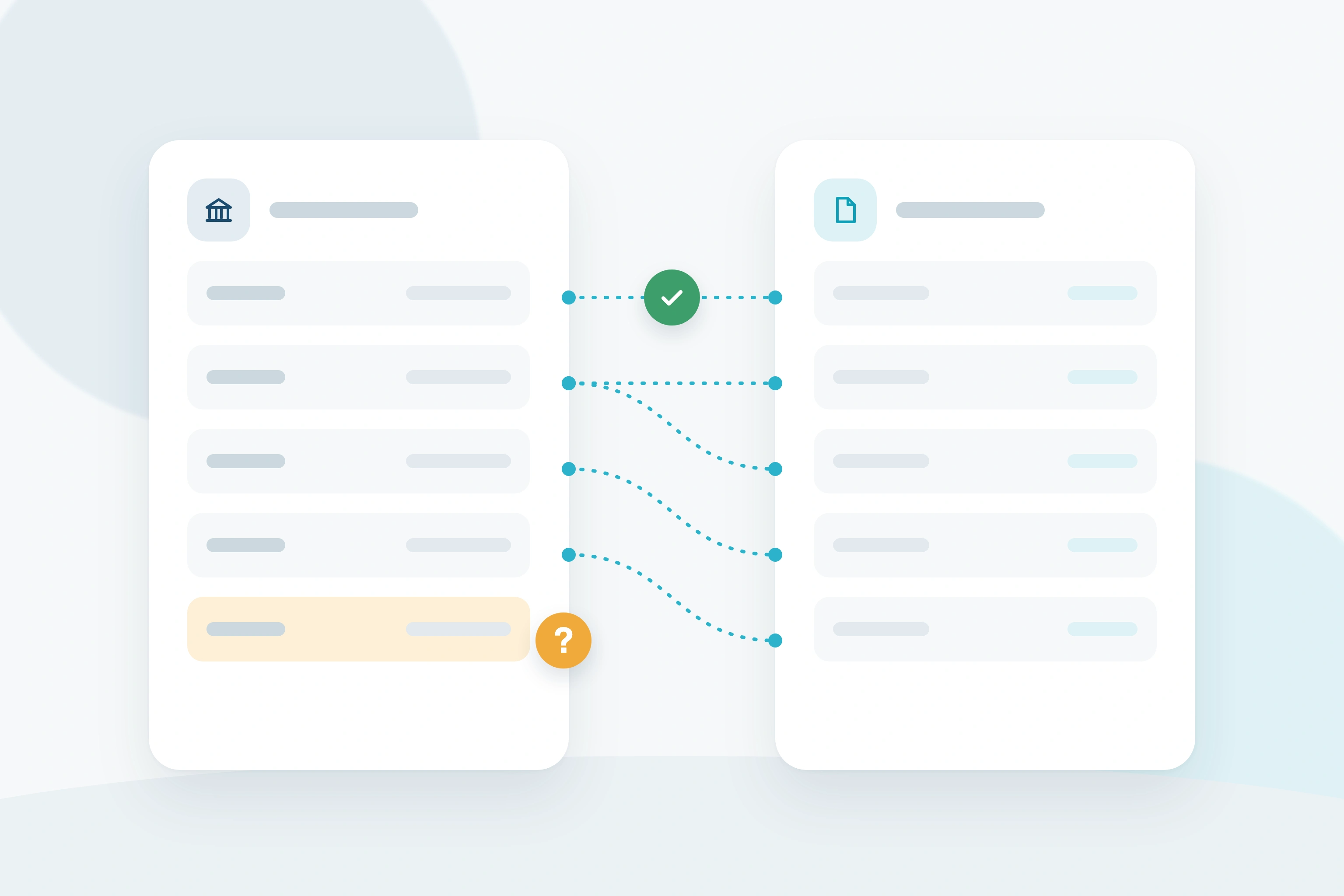
In short. Reconciling a payment means stating which invoice it settles. In accounts receivable this is called cash application (or matching): the payment and the invoice are linked and the invoice leaves the open balance. It rests on bank reconciliation, which checks that the bank and the books agree. In a services firm the stakes are higher than they look: an unmatched payment means a client chased by mistake, and in France, a payment the tax authority does not hear about.
Account reconciliation: three checks not to confuse
| What is compared | The question | |
|---|---|---|
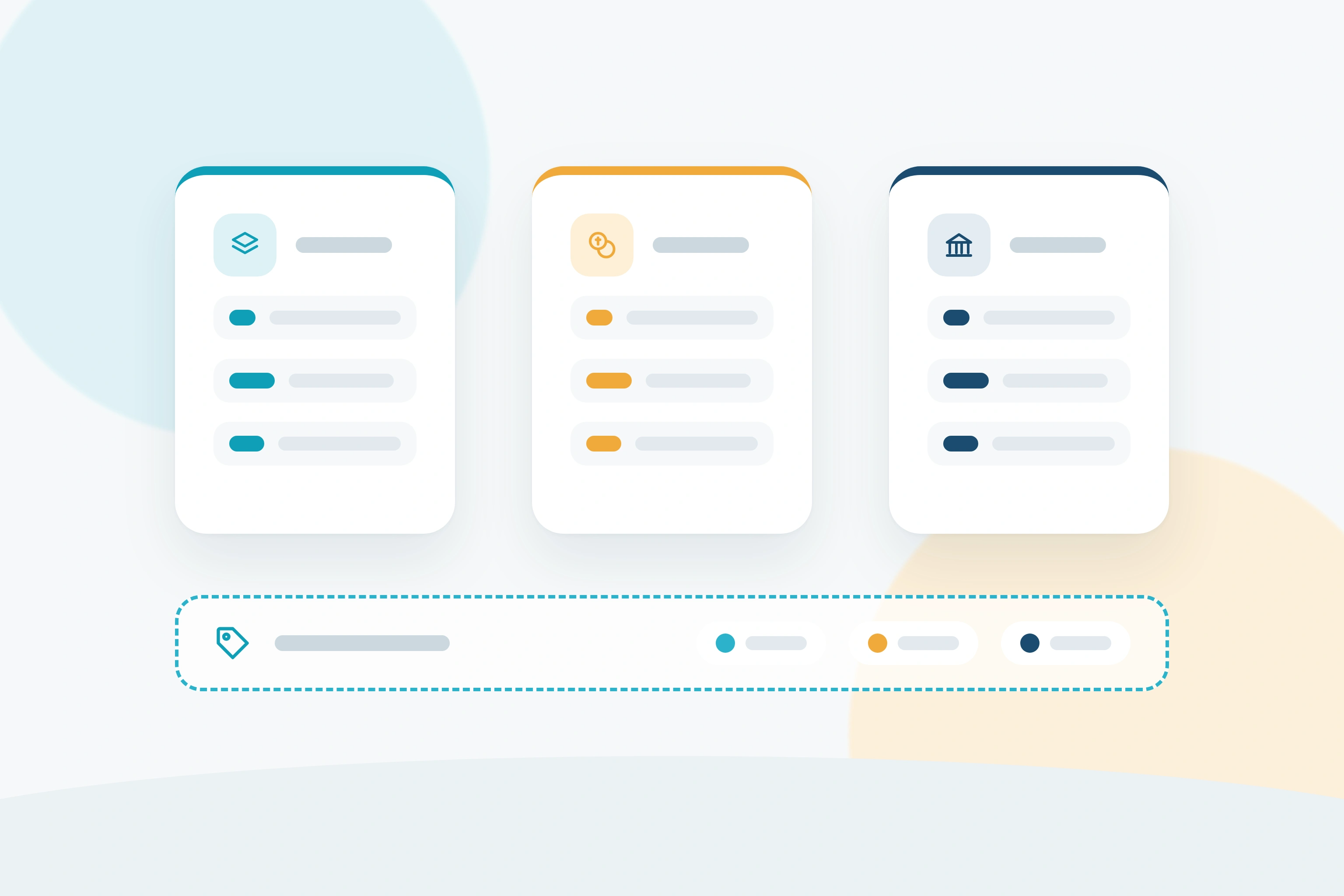
| Bank reconciliation | The bank statement and the cash account in the general ledger | Is every bank movement in the books, and vice versa? |
| Cash application | A client’s payments and invoices in the receivables subledger | Which invoice does this payment settle? |
| GL reconciliation of receivables | The total of client balances and the receivables control account | Do the aged receivables and the general ledger agree? |
The bank reconciliation can be perfect while receivables are wrong: one transfer applied to the wrong client or invoice is enough. Cash application is what tells you what each client still owes.
Why it matters more for a services firm
- Receivables and collections. An invoice that is paid but unmatched still shows as overdue: the client is chased by mistake, and the real overdue invoice gets lost in the list.
- Cash forecasting. Forecasting when clients pay relies on a history where each payment is linked to its invoice.
- VAT and e-reporting, in France. VAT on services is due when payment is received, and every payment of a service invoice is reported to the tax authority as a “cashed” status, with amount, date and invoice number. See our e-reporting guide.
Six cases that break automatic matching
1. Grouped payments
A large client pays several invoices in one €31,200 transfer without naming them. You must find the combination of open invoices that adds up, or the remittance advice the client sent. Ask clients who pay in batches to send one every time.
2. Partial payments
The client pays €15,000 on a €19,740 invoice because one day is disputed or it pays in instalments. The invoice stays open for the balance.
3. Short payments from bank fees
A foreign client wires €9,965 for a €9,980 invoice: €15 stayed with the banks. Too small to chase, but it must be written off to bank charges to close the invoice. Set a tolerance and a rule for where differences go.
4. Transfers with no reference
€4,200 arrives with a description that names no invoice and no recognisable client. It waits in a suspense account until identified, and should not still be there at period end.
5. Credit notes and deposits
A client deducts a credit note from its payment, or a deposit paid at the start of a fixed fee has to be applied to the final invoice. Both are matched with the invoice, not with the transfer alone.
6. Factoring
If you finance your receivables, the client pays the factor, not you. The money arrives from the factor as an advance and then a balance, and must be matched to the invoices sold without counting the same receivable twice.
Reconciling without spreadsheets: the method
- Put the invoice number in the payment reference. State on every invoice the reference to quote on the transfer. It does more for automatic matching than anything else.
- Import bank statements daily, in a standard format, rather than keying movements by hand.
- Let the system propose: by reference, then exact amount, then client and amount. People approve instead of searching.
- Set a tolerance (a few euros) and its posting rule, so a bank fee is not treated as a dispute.
- Clear the suspense account before every close, and track the share of payments matched automatically: it tells you whether the process holds.
What AlibeeZ does
AlibeeZ matches payments received to open invoices. Settled invoices leave the open balance; part payments stay visible on the invoice with the amount already paid. With Factofrance, receivables are sent from AlibeeZ and the advances and payments received are matched to open invoices the same way. Each invoice’s statuses, up to payment, feed receivables tracking, and your accountant receives an export of entries with account numbers already set. See collections and DSO in AlibeeZ.
Frequently asked questions
What does account reconciliation mean?
Checking that two records of the same balance agree: the bank statement and the cash account, the client subledger and the receivables control account, or a payment and the invoice it settles. Differences are explained and corrected before the books are closed.
What is the difference between bank reconciliation and cash application?
Bank reconciliation checks that bank movements and booked movements agree. Cash application links each payment to the invoice it settles in the client’s account. The first can be right while the second is wrong.
What should I do with a payment I cannot identify?
Post it to a suspense account, ask the likely client for a remittance advice, and apply it before period end.
How do I handle a payment short by a bank fee?
If the difference is under your tolerance, close the invoice and post the difference to bank charges. Above it, treat it as a part payment and chase the balance.
What is a good automatic matching rate?
There is no standard figure: measure it and improve it. Requiring an invoice reference on every payment is the most effective way to raise it.