In short. E-reporting is the transmission to the French tax authority, through a Plateforme Agréée (approved platform), of the data a domestic e-invoice does not carry. For a services company it covers three cases: payments received for services billed to French clients (the “cashed” status), services for clients established outside France, and sales to non-taxable persons. Large and mid-sized companies have been subject to it since 1 September 2026; SMEs and micro-businesses follow on 1 September 2027.
It also applies to foreign companies that carry out transactions taxable in France with private individuals or with businesses not established in France.
Why e-reporting weighs on services companies in particular
In France, VAT on a supply of services becomes due when payment is received, unless the company has opted to pay VAT on invoicing (option pour les débits). An invoice issued on 31 October and paid on 15 December therefore generates its VAT in December. The tax authority, which wants to prefill VAT returns, needs the payment date, not just the invoice date.
That is what a trading company does not have to deal with, and what IT services, consulting, engineering and audit firms must organise: every service invoice has to be tracked until it is paid, and that payment reported. Add the international work common in consulting and digital services, and e-reporting becomes a process question, not just a compliance one.
Two kinds of e-reporting: transactions and payments
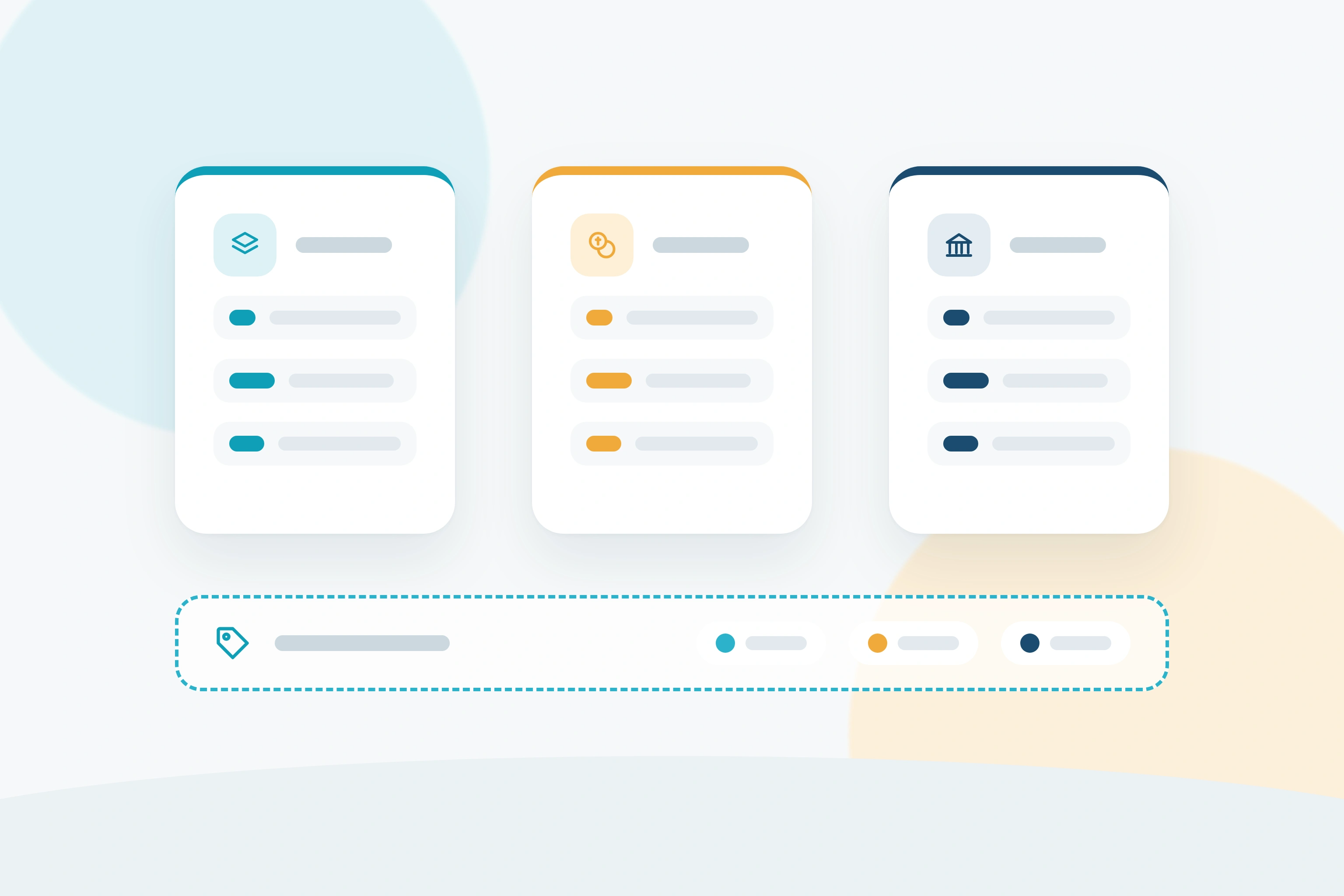
| Transaction e-reporting | Payment e-reporting | |
|---|---|---|
| What it reports | Transactions that do not go through a domestic e-invoice | Payments received on transactions whose VAT is due on payment |
| Transactions in scope | Sales and services to non-taxable persons (B2C); transactions with a taxable person not established in France (international B2B) | Services and down payments, unless the company opted for VAT on invoicing or the client self-accounts for VAT (reverse charge) |
| Form | Invoice data (international B2B) or daily totals per VAT rate (B2C) | A “cashed” status on the e-invoice, or a file of amounts received per day and per rate |
| Who sends it | The supplier, through its approved platform, possibly via a compatible solution such as its invoicing software. The client reports nothing. | |
The real cases of an IT services or consulting firm
An engagement for a French client
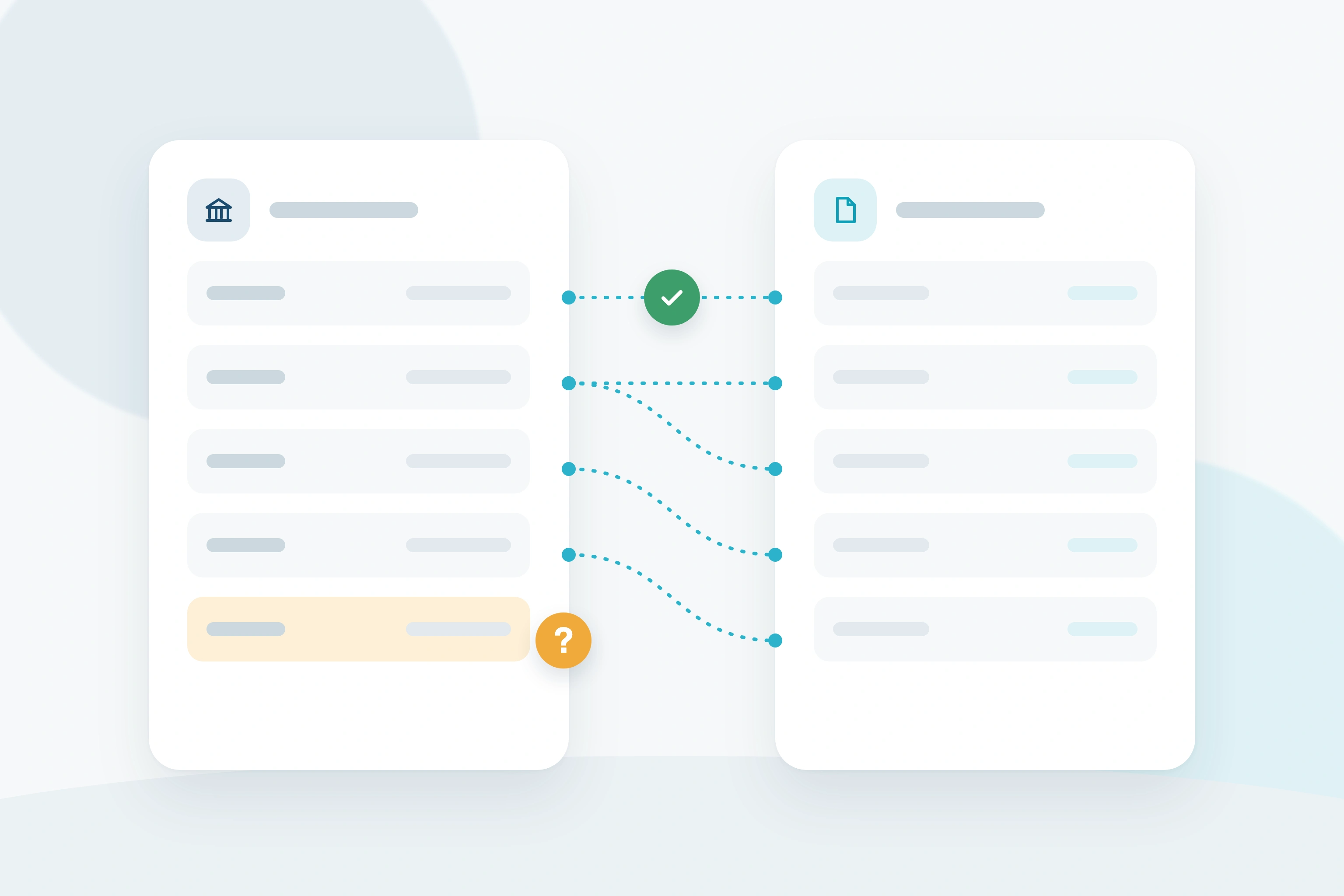
The most common case. The invoice goes out as an e-invoice through your approved platform. Because VAT on services is due on payment, you also send the payment data, as a “cashed” status carrying the amount received, the payment date and the invoice number. A part payment gives a partial status. There is no separate file to produce: the invoice’s own lifecycle carries the information.
The exception: if your company opted to pay VAT on invoicing, VAT is due when you invoice and there is no payment e-reporting. That option must then be stated on the invoice.
An engagement for a client established abroad
Services for a business with no establishment in France fall under transaction e-reporting: you send the invoice data (date, number, net amounts per rate, VAT rates…), with the client’s EU VAT number or foreign identifier in place of the French SIREN.
For business-to-business services, the place of taxation is in principle where the client is: an EU client self-accounts for the VAT under the reverse charge. In that case there is no payment e-reporting, since no VAT is due on your side. The transaction data is still required.
A service for a private individual or an association
Training sold to an individual, a service for a non-taxable association: these are B2C transactions. You send daily totals of net revenue and VAT per rate, with no personal data about the client, then the matching payments, also aggregated by day and rate. Transactions that are VAT-exempt and exempt from invoicing (some vocational training, for example) are out of scope.
Summary
| Situation | E-invoice | Transaction e-reporting | Payment e-reporting |
|---|---|---|---|
| Business client in France, VAT due on payment | Yes | No | Yes (“cashed” status) |
| Business client in France, VAT on invoicing option | Yes | No | No |
| Business client in the EU, reverse charge | No | Yes | No |
| Client outside France, French VAT due (no reverse charge) | No | Yes | Yes |
| Private individual or non-taxable association | No | Yes (daily totals) | Yes (daily totals) |
The calendar: when to file, by VAT regime
E-reporting starts with the obligation to issue e-invoices: 1 September 2026 for large and mid-sized companies, 1 September 2027 for SMEs and micro-businesses. How often you file then depends on your VAT regime.
| VAT regime | Transaction data | Payment data |
|---|---|---|
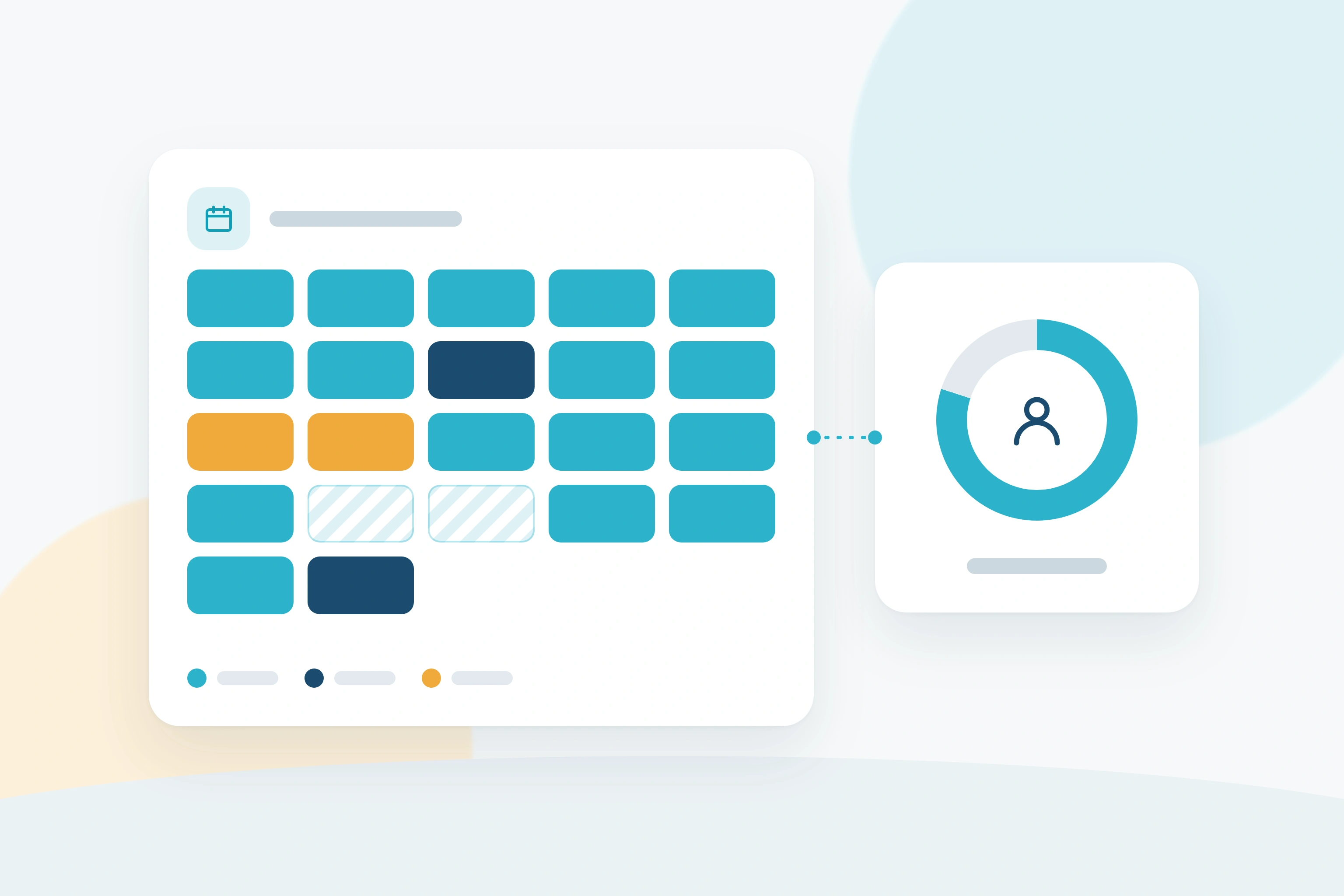
| Standard regime, monthly returns | Every ten days (1–10, 11–20, 21–end of month), no later than 10 days after each period: on the 20th, the 30th (except February) and the 10th of the next month | Monthly, before the 10th of the next month |
| Standard regime, quarterly returns (by option, under €4,000 of VAT a year) | Monthly, before the 10th of the next month | Monthly, before the 10th of the next month |
| Simplified regime | Monthly, between the 25th and 30th of the next month | Monthly, between the 25th and 30th of the next month |
| VAT-exempt small business (franchise en base) | Every two months, between the 25th and 30th of the month after the period | Every two months, between the 25th and 30th of the month after the period |
Source: DGFiP fact sheets on transaction and payment data (September 2025 version). The tax authority has said they will be updated to reflect the end of the simplified regime on 1 January 2027: check the current version on impots.gouv.fr before setting your internal deadlines.
For most mid-sized IT services and consulting firms, on monthly returns, that means three transaction filings and one payment filing every month. Not a pace a manual export can keep up with.
What a missed filing costs
The 2026 finance act raised the fine for failing to send transaction or payment data to €500 per missing transmission (article 1788 D of the French tax code). On monthly returns, one month without filing can mean up to four missed transmissions.
The costlier risk lies elsewhere: an unreported payment means a prefilled VAT return that does not match your books, and every gap then has to be reconciled by hand.
How to get organised: 5 things to lock down
- Know your VAT regime and options. Monthly or quarterly returns, VAT on invoicing or not: that sets your filing frequencies and whether payment e-reporting applies at all.
- Qualify every client when it is created. Taxable or not, established in France or not, EU VAT number: a badly set-up client means an invoice sent down the wrong channel.
- Match payments to invoices as they arrive. The “cashed” status requires knowing which invoice a transfer pays. Reconciling once a quarter cannot feed a monthly filing. The cases that break matching (grouped, partial, short payments) are covered in our reconciliation guide.
- Handle part payments and down payments. A down payment on a service makes VAT due when it is received, and it has to be reported as such.
- Choose invoicing software connected to your approved platform. E-reporting starts from the same data as the invoice. When both live in one system, reporting is a by-product of invoicing rather than one more task.
What AlibeeZ does
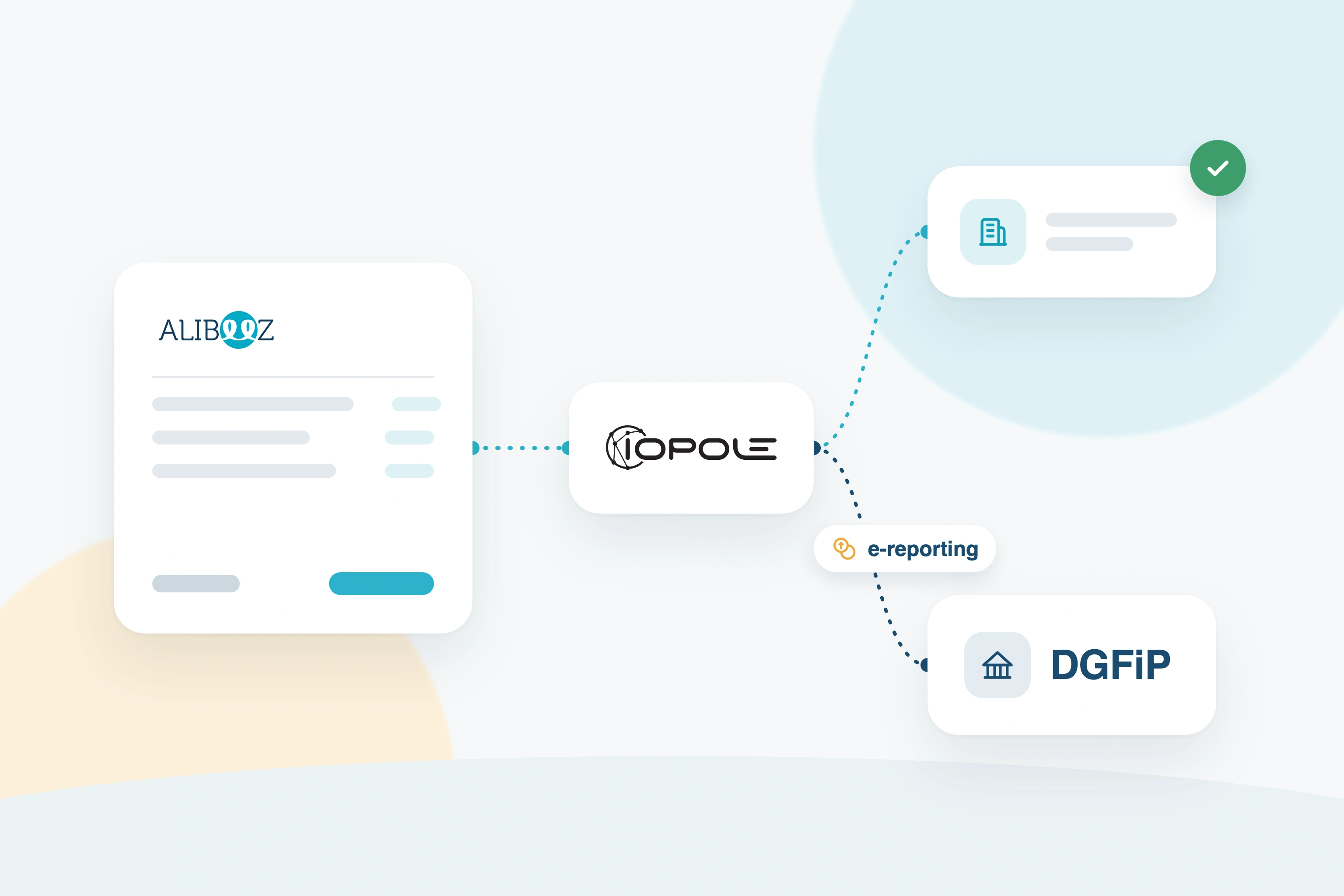
AlibeeZ produces invoices from approved time and expenses and hands them to iopole, the approved platform it is integrated with. Sending, reporting and status feedback travel the same channel. Each invoice’s statuses, up to payment, come back into your receivables tracking: you see what has been paid, what is late and what is still owed. The full sequence is described in the journey of an e-invoice in AlibeeZ.
To check where you stand, the e-invoicing readiness test takes a few minutes.
Frequently asked questions
What is the difference between e-invoicing and e-reporting?
E-invoicing covers invoices between businesses established in France: the invoice itself travels through the approved platforms. E-reporting sends the tax authority the data of every other transaction (foreign clients, private individuals) and the payment data for services.
Does an IT services firm with only French clients have to e-report?
As a rule, yes: VAT on its services is due on payment, so every payment must be reported through the invoice’s “cashed” status. Only the option to pay VAT on invoicing removes that obligation.
Do services billed to an EU client have to be reported?
Yes, as transaction e-reporting. When the client self-accounts for VAT under the reverse charge, there is no payment e-reporting.
Does e-reporting apply to foreign companies?
Yes, when they carry out transactions subject to French VAT with private individuals or with businesses not established in France. They report through an approved platform like any French company.
When does an SME have to start?
On 1 September 2027, together with the obligation to issue e-invoices. The obligation to receive e-invoices has applied to every company since 1 September 2026.