In short. In a consulting or IT services firm, time and attendance management keeps two records that must agree: attendance (days worked, holidays, leave, sickness) and activity (time spent on each client and project, logged in the timesheet). Together they feed payroll, billing and the sector’s key metric, the utilisation rate: billable days ÷ (working days − leave).
Attendance and activity: two records, one week
In a factory, attendance management mostly answers one question: was the employee there, and for how many hours? A services firm needs a second answer: what did they work on? That is what bills time and materials, measures a fixed fee’s progress and calculates a margin.
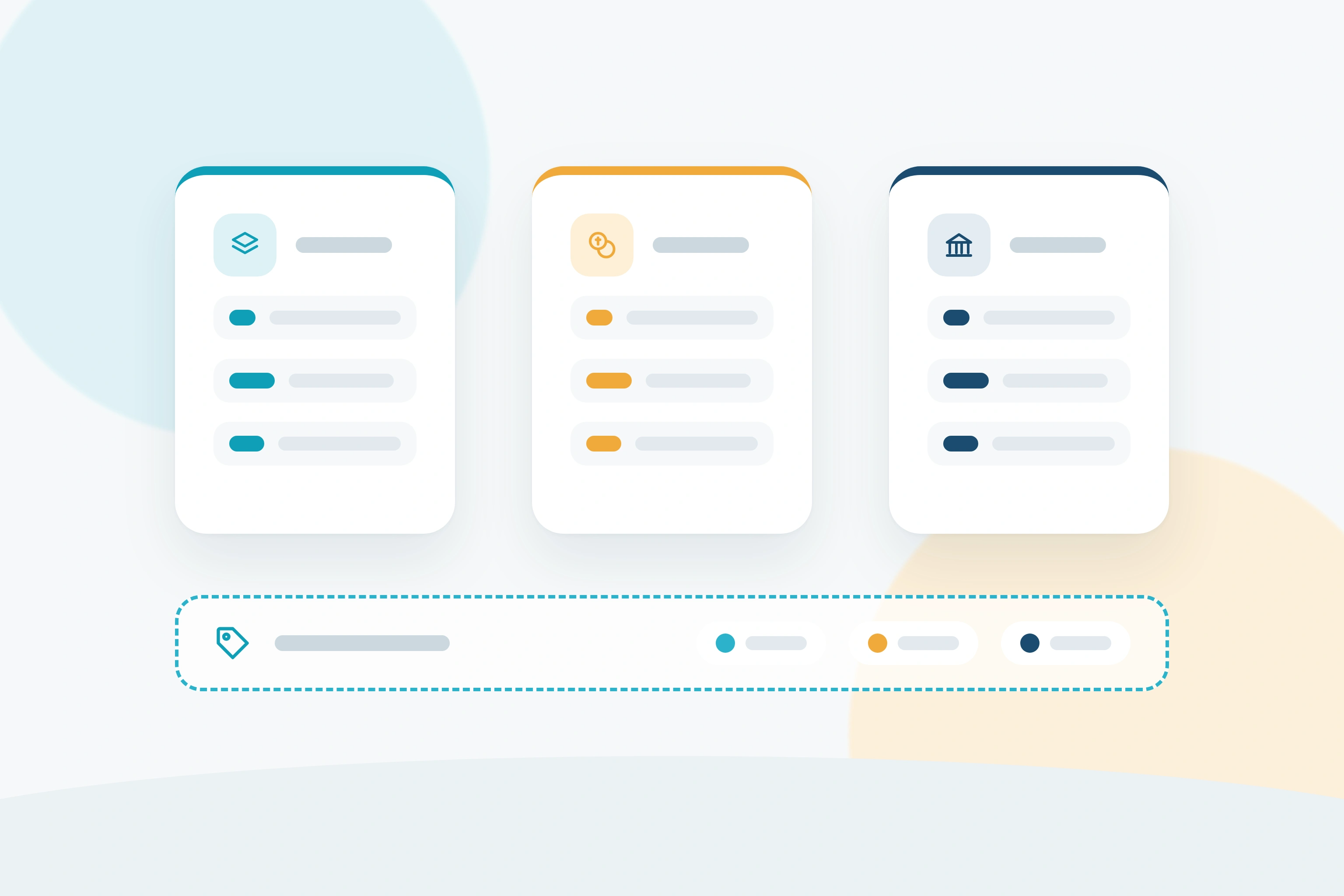
| Attendance | Activity (timesheet) | |
|---|---|---|
| Question | Did the employee work that day? | On which client, project, task? |
| Content | Days worked, holidays, leave, sickness, public holidays | Days or hours per activity: billable, internal, bench |
| Used by | HR and payroll | Billing, finance, project managers |
| What breaks if it is wrong | Payroll | A wrong or late invoice, an unreadable margin |
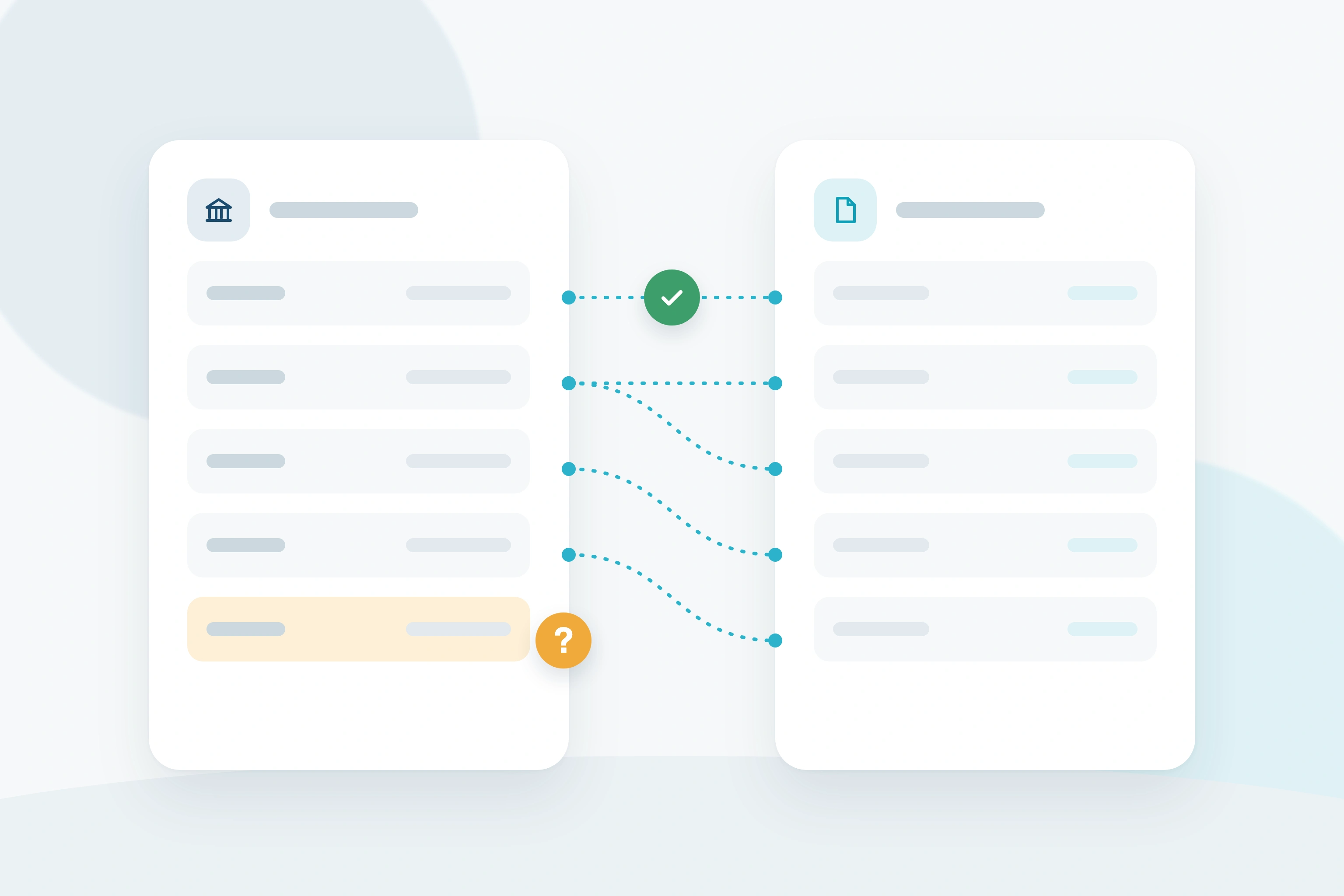
Both records describe the same week. Kept in two tools, they drift apart: leave approved in the HR system while the timesheet shows a billed day, a local public holiday forgotten, sick leave entered after the invoice went out. Every gap costs a credit note, a payroll correction or an awkward conversation with the client.
What the rules require
In the EU, employers must be able to show how long their staff work. The Court of Justice of the EU ruled in 2019 (14 May 2019, C-55/18) that this requires an objective, reliable and accessible system for measuring each worker’s daily working time. A spreadsheet filled in at the end of the month meets none of those three tests well.
National rules then add their own layers: in France, for instance, most IT services and consulting firms follow the Syntec collective agreement, with a 35-hour standard, a mission-based arrangement of up to 38.5 hours a week, and an annual allowance of 218 working days for autonomous managers, whose workload must be monitored and reviewed every year. Check the rules of each country you employ people in.
The utilisation rate: the metric that comes out of both records
Utilisation = billable days ÷ (working days − leave)
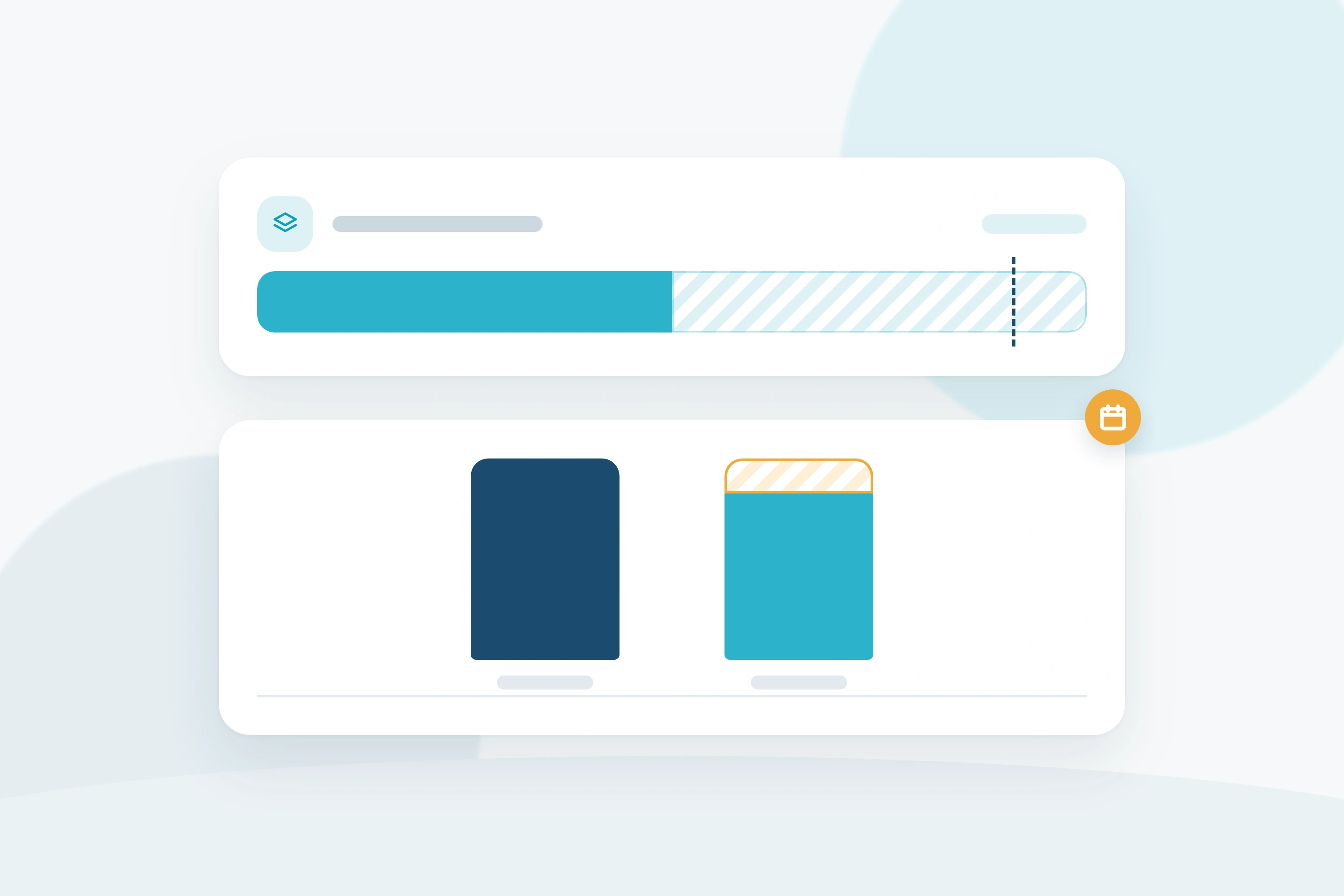
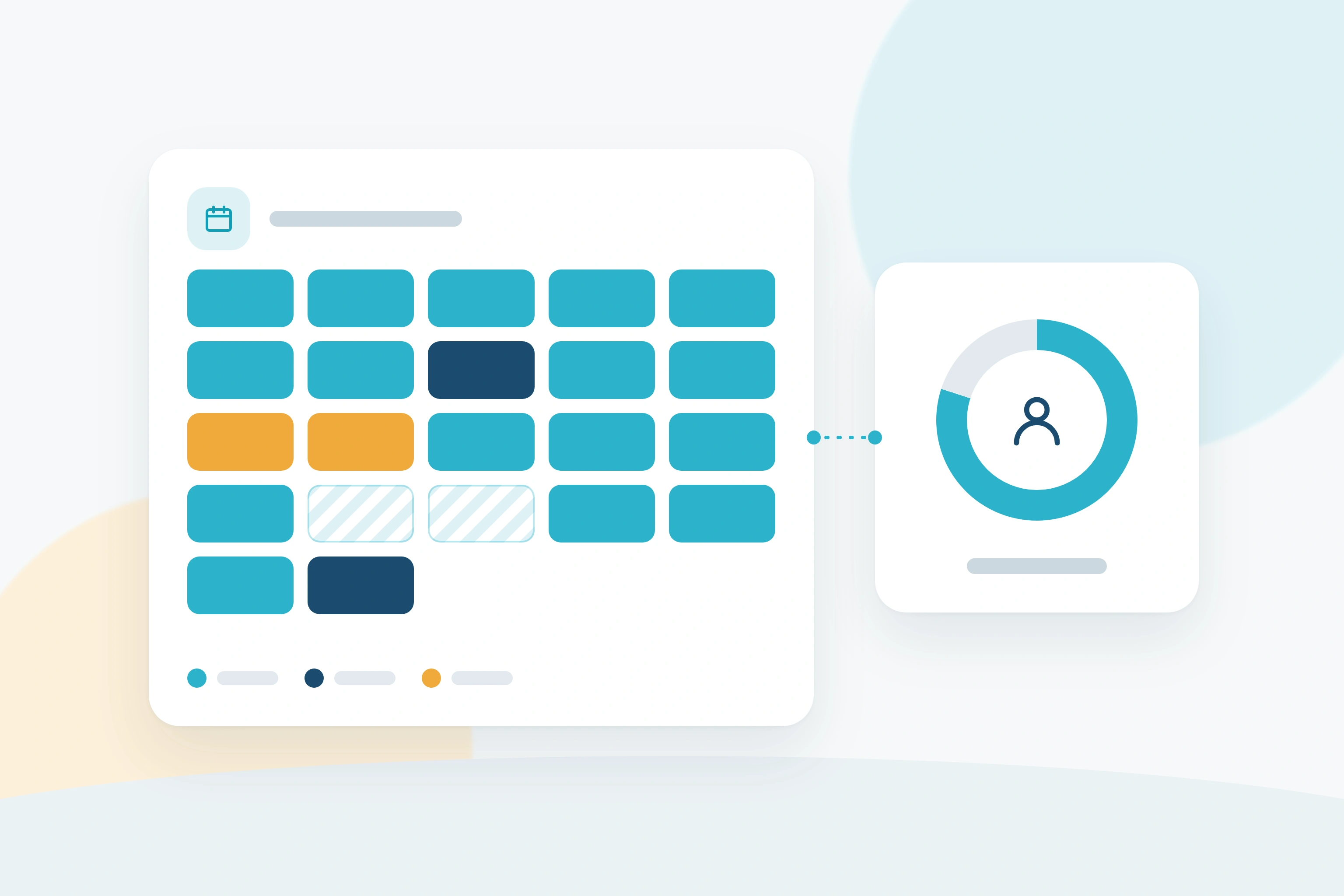
Example over a month of 22 working days for one consultant: 16 days billed to clients, 2 days on an internal project, 2 days of leave, 2 days on the bench. Utilisation is 16 ÷ (22 − 2) = 80%. Leave comes out of the denominator because it is not sellable time; the bench and internal projects stay in: they are days the firm could have billed. (French firms call this the TACE, taux d’activité congés exclus.)
The calculation only works if attendance (the 2 days of leave) and activity (the 16 billable days) agree. If the leave only exists in the HR system, utilisation is wrong, and so is the invoice.
Five rules for reliable time and attendance
- Approved leave appears in the timesheet automatically. The employee does not re-enter it, and a day of leave can no longer become a billed day.
- Public holidays follow each employee’s country. In a multi-country firm, a local holiday must be neither counted as leave nor as a working day.
- Leave balances follow each entity’s rules: paid leave, time off in lieu, seniority days.
- Missing time is chased, not locked. An automatic reminder to the employee and an alert to the manager do more for completeness than blocking billing.
- Payroll is fed without spreadsheets. Approved leave and variable items (on-call, overtime, engagement bonuses) go to payroll at period close.
What AlibeeZ does
In AlibeeZ, approved leave sits on the employee’s timesheet: a day of leave cannot receive time, so it cannot become a billed day. Leave balances are set per agreement, per entity and per country, with a public-holiday calendar for each country you operate in. Reminders go out to employees automatically, and managers see who has not yet submitted.
If you already run an HR system (Lucca, Workday), it remains the source for employees and leave, which flow down into AlibeeZ. At period close, approved leave and variable items from timesheets go to payroll (Silae, ADP). See timesheet entry and absences and leave.
Frequently asked questions
What is time and attendance management?
It records when employees work and are absent (attendance) and, in a services firm, what they work on (activity). The two records feed payroll, billing and capacity planning, and must agree day by day.
How do you calculate the utilisation rate of a consultant?
Billable days ÷ (working days − leave). With 16 billable days in a 22-day month that includes 2 days of leave, utilisation is 80%.
What is the difference between a timesheet and attendance tracking?
Attendance tracking records whether someone worked; a timesheet records what they worked on. Consulting firms need both, ideally in one system so leave and billable time cannot overlap.
Do consulting firms need a time clock?
Not necessarily a clock-in device, but they need an objective, reliable and accessible way of measuring working time. A timesheet filled in as work happens, with leave carried over automatically and an approval history, does that for most consultants.